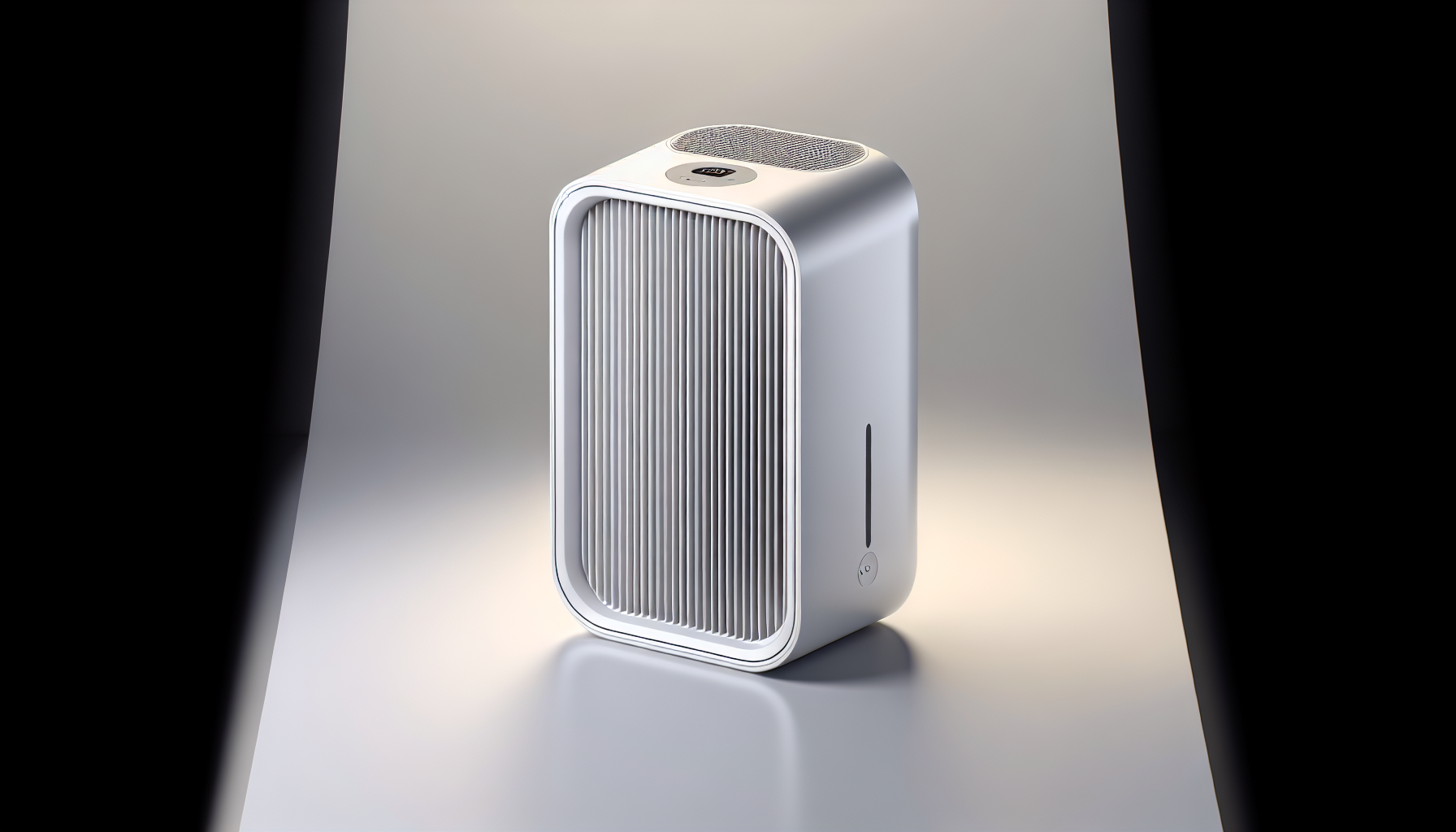
🎨 AI-generated illustration (EU AI Act 2026) — does not represent the actual appearance of the product. See the Amazon listing for official photos.
🔗 Affiliate links: Some links are Amazon affiliate links. As an Amazon Associate, we earn from qualifying purchases at no extra cost to you.
Get our best picks
Every week, our Amazon comparisons directly in your inbox.
No spam. Unsubscribe in 1 click.
Introduction
We do not always realize it, but the air inside our homes can quickly become a real problem. Dust, pollen, pet hair, smoke, and odors all build up over time. If you have allergies, asthma, or simply want to breathe more comfortably, an air purifier can make a real difference.
But here is the challenge: with so many models, claims, and technical specifications, it is easy to feel overwhelmed. The goal of this article is simple: to help you choose the best air purifier for your home and your daily routine. Not the one that looks impressive on the product page, but the one that performs well day after day.
Selection criteria
- Room size: this is the starting point. A purifier that is too small for your space will run constantly without being truly effective. Check the recommended coverage area and, if possible, choose a model rated slightly above your room size for extra peace of mind.
- Filtration type: most reliable models combine a main filter, often HEPA, for fine particles, and sometimes an activated carbon filter for odors. If your main concern is allergens, prioritize particle filtration. If odors are your biggest issue, activated carbon becomes more important.
- Noise level: you will be living with the device. In night mode, some purifiers are quiet and comfortable, while others can become irritating. If you plan to use it in a bedroom or office, check the decibel rating carefully.
- Maintenance and filter cost: a purifier is only a good deal if you can maintain it easily. Replacement filters can be expensive, so it is worth checking their price and how often they need to be changed before you buy.
- Extra features: automatic mode, air quality sensors, timers, and app control can be convenient. They are not essential, but they can improve daily use if you like simple automation.
Top recommendations
For small rooms: choose a compact purifier with a true HEPA filter and quiet operation. This is usually the best choice for bedrooms, nurseries, or home offices.
For medium to large rooms: look for a model with strong airflow and a higher clean air delivery rate. This helps the purifier refresh the air more efficiently in larger spaces.
For allergy relief: prioritize a purifier with a sealed filtration system and a genuine HEPA filter. This is the most effective setup for capturing fine airborne particles.
For odor control: select a model with a substantial activated carbon filter. This is especially useful for cooking smells, smoke, and pet odors.
How to choose the right model
Start with your room size and your main concern. If allergies are your priority, focus on filtration quality. If odors matter more, pay attention to carbon filtration. If you are sensitive to sound, keep noise level at the top of your checklist.
It is also smart to think long term. A cheaper purifier can become expensive if replacement filters cost too much or need frequent changes. The best choice is often the model that balances performance, comfort, and maintenance costs.
Conclusion
The best air purifier is not always the most expensive one. It is the one that matches your space, your needs, and your habits. By focusing on room size, filtration, noise, and maintenance, you can choose a model that genuinely improves your indoor air and makes everyday life more comfortable.