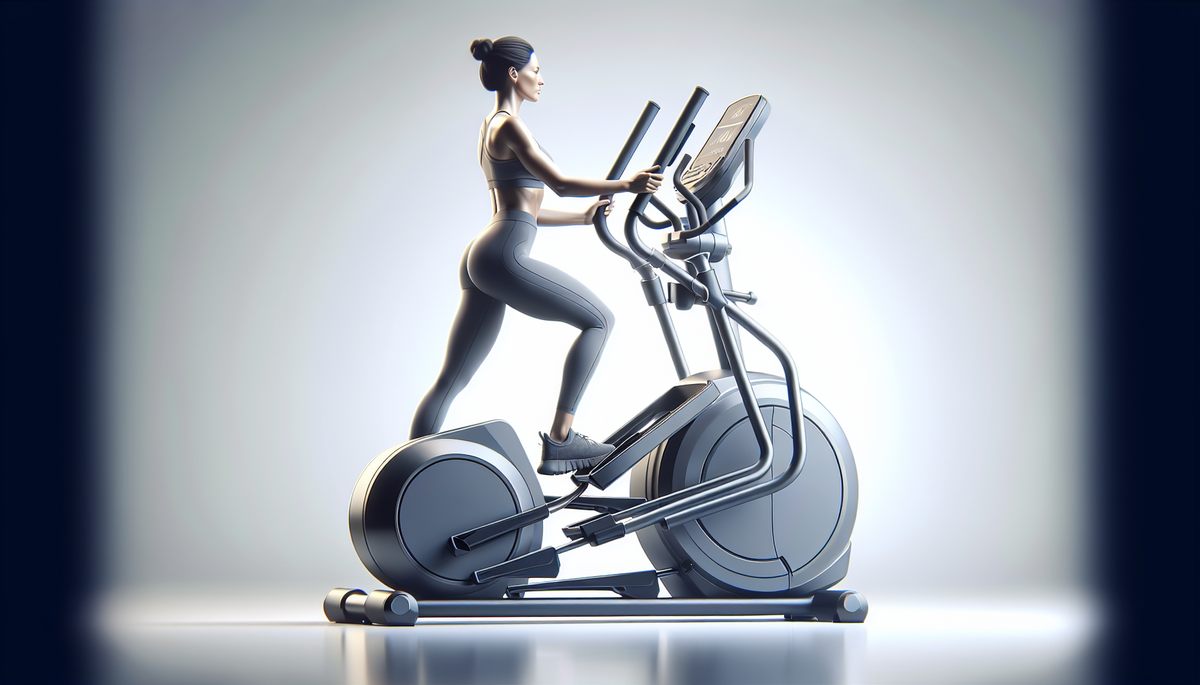
🎨 AI-generated illustration (EU AI Act 2026) — does not represent the actual appearance of the product. See the Amazon listing for official photos.
🔗 Affiliate links : Some links on this page are Amazon affiliate links. As an Amazon Associate, we earn from qualifying purchases.
Get our best picks
Every week, our Amazon comparisons directly in your inbox.
No spam. Unsubscribe in 1 click.
Introduction
If you’ve got an elliptical trainer and you’re wondering how to use it to sculpt your body, you’re in the right place. It’s one of those gym machines that feels friendly on your joints, yet it can still torch calories and build real muscle tone—especially when you train with a bit of intention. The secret is simple: don’t just “hop on and go”. Use a plan, vary your resistance and incline, and let your body work different muscle groups across the week.
In this article, I’ll walk you through practical exercises you can do on an elliptical trainer to shape your legs, glutes, and core. I’ll also help you think about what to look for in a machine, because the right settings make a big difference to how your workout feels.
Critères de choix
- Resistance levels (and smooth control): Look for a wide range and a dial or buttons that let you increase gradually. You want to be able to push hard without the machine feeling jerky.
- Stride length and pedal stability: If the stride is too short or the pedals feel wobbly, your form suffers. A comfortable, natural stride helps you target glutes and hamstrings properly.
- Adjustable incline or ramp: Incline changes the angle of your effort. A higher ramp often makes glutes and hamstrings work harder.
- Ergonomics and handle options: Some people want upper-body support; others prefer to keep it minimal. Adjustable handlebars can help you dial in the workout.
- Workout programmes and clear display: You don’t need fancy tech, but having readable metrics (time, resistance, estimated calories, heart rate if available) helps you stay consistent.
- Comfort and noise: If the machine is uncomfortable or loud, you won’t use it as often. Consistency is what sculpts your body.
Avantages
Elliptical training is brilliant for body sculpting because it blends cardio and muscle engagement. You’re moving continuously, so you build endurance and burn energy, but you can also shift emphasis to different areas by changing your technique and settings.
First: it’s generally easier on knees and ankles than running. That means you can train more often, which is a huge win when your goal is a tighter, more defined look.
Second: you can target muscles without needing weights. When you keep your posture tall, drive through your heels, and use a higher incline or resistance, your glutes and hamstrings get a proper workout. Leaning slightly forward (without rounding your back) can bring in more of the posterior chain, while a more upright stance keeps it balanced.
Third: it’s easy to progress. Start at a comfortable resistance, then increase by small steps—maybe just one or two levels—once your form feels solid. Over time, that progression is what shapes your physique.
Here’s a warm truth: the elliptical won’t magically sculpt you if you treat it like background noise. But if you use it like a real training tool—mixing steady efforts with intervals—you’ll see changes in strength, stamina, and muscle tone.
FAQ
Q?
R
Q?
R
Q?
R
Conclusion
To sculpt your body on an elliptical trainer, think “strategy”, not “random workouts”. Choose a machine with smooth resistance and a comfortable stride, then train with a mix of incline work, interval sessions, and technique-focused efforts. Keep your posture steady, engage your core, and gradually raise the challenge as you get stronger.
If you want a simple starting point, aim for three to four sessions a week: one steady session for endurance, one interval session for intensity, and one or two shorter sessions where you focus on glutes and posture. Do that consistently, and you’ll soon feel the difference—tighter legs, stronger glutes, and a core that’s doing more than you thought.