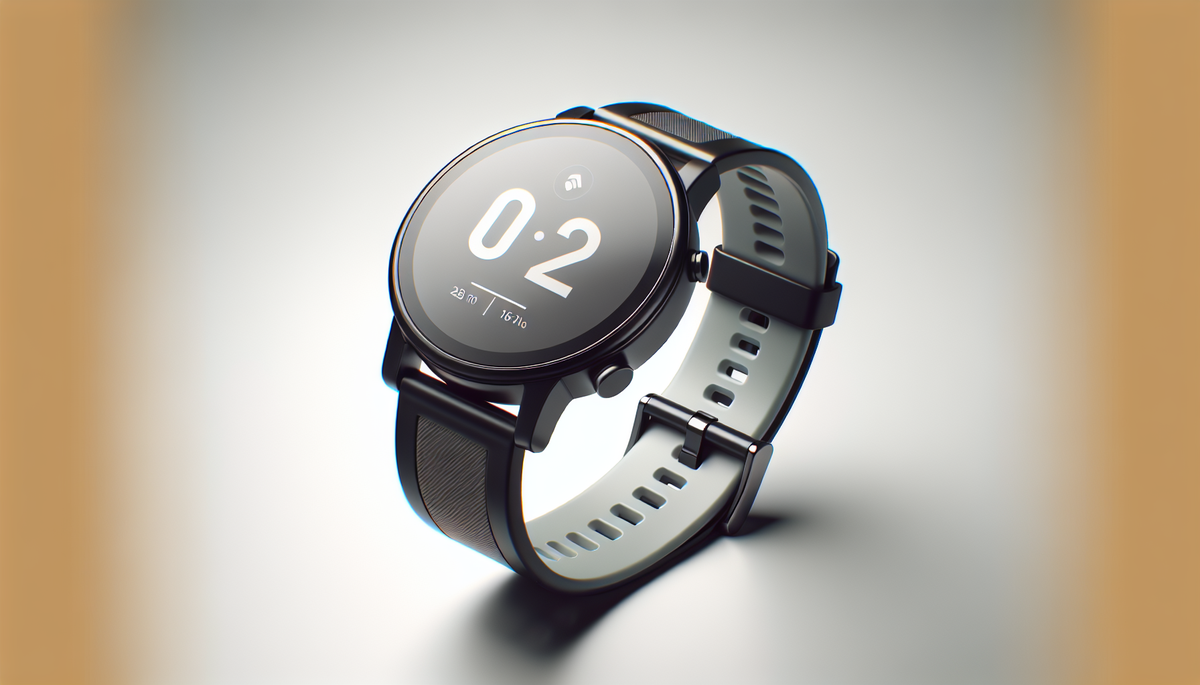
🎨 AI-generated illustration (EU AI Act 2026) — does not represent the actual appearance of the product. See the Amazon listing for official photos.
🔗 Affiliate links : Some links on this page are Amazon affiliate links. As an Amazon Associate, we earn from qualifying purchases.
Get our best picks
Every week, our Amazon comparisons directly in your inbox.
No spam. Unsubscribe in 1 click.
Introduction
You walk for fun, to clear your head, or to get back into a healthier routine. What if your next smartwatch could help you move forward more confidently… without making life complicated? Watches designed for walking (or highly versatile ones) can track your steps, distance, pace, and even give you guidance to better manage your effort. All of that, often with simple alerts and easy-to-read screens right when you need them.
In this guide, I’ll help you choose a smartwatch that’s truly suited to walking: what to look for, the concrete benefits, and the most common questions. The goal is to leave with a clear decision, not to get lost in technical specs.
Criteria for Choosing
- Comfort on the wrist : for walking, a watch should stay comfortable for a long time. Choose a flexible strap, good breathability, and a reasonable weight.
- Outdoor readability : sun, glare, brightness… Check whether the screen is easy to see outside. A clear display with readable numbers makes all the difference.
- Reliable walking tracking : make sure the watch measures steps, distance, and pace accurately. The sensors should stay consistent, especially when the ground changes (sidewalks, paths, stairs).
- Battery life : some watches last several days, while others need more frequent charging. Think about your routine: morning walks, long weekends, holidays…
- GPS or no GPS : for walking in the city, GPS can be useful. For people who often stick to familiar routes or use their phone, a watch without GPS may be enough.
- Useful health features : heart rate (if you want it), sleep tracking, stress management. You don’t need everything, but a few indicators can be motivating and reassuring.
- Notifications and music : if you like walking without taking out your phone, notifications and music controls are nice extras. On the other hand, there’s no point paying for options you’ll never use.
- App and history : the experience matters. A good app helps you understand your progress: trends, goals, walk summaries.
- Water resistance : rain, handwashing, light showers… a watch suited to your everyday life is better than having to watch every drop.
- Goals and workout modes : for walking, look for “walk,” “activity,” or “run/walk” modes. Goals (steps/day, distance, estimated calories) should be simple.
Benefits
A smartwatch for walking isn’t just a gadget. The most concrete benefits are what you notice day after day: your consistency, your progress, and your effort level.
1) You move forward with reference points. Instead of “I walked a bit,” you can say “I did 7,000 steps” or “I kept a steady pace.” It’s motivating, and it helps you adjust without overthinking it.
2) You understand your activity better. Some watches show useful data during your walk (pace, distance, heart rate). And afterwards, the history lets you see what works: a flatter route, a better time of day, a more comfortable cadence.
3) You stay on track with your goals. Alerts like “goal reached” or “time to move” are often more effective than a big complicated plan. You get a little nudge at the right moment.
4) You walk more often, more calmly. With sleep or recovery tracking (depending on the model), you can spot when your body needs a gentler pace. It’s not medicine, but it does give you clues.
5) You use your phone less. For some people, that’s a real comfort: notifications, calls, music… everything stays on your wrist. And during a walk, it’s nice to keep your hands free.
FAQ
Which smartwatch is best for walking?
The best one is the one that matches the way you walk: wrist comfort, reliable step tracking, a screen that’s easy to read outdoors, and battery life that fits your daily routine. If you often walk on a whim, GPS can be a real bonus.
Do you absolutely need GPS for walking?
Not necessarily. For familiar routes or if you use your phone, a watch without GPS may be enough. However, for more accurate route and distance estimates outdoors, GPS is more practical.
Are the measurements (steps, distance, calories) reliable?
They give a good trend, but there can be differences depending on pace, terrain, and where the watch is worn. Ideally, look at consistency over time: if your numbers “hold together,” that’s generally a good indicator for progress.
Conclusion
Choosing a smartwatch for walking is mostly about choosing a pleasant experience: a watch you want to wear, that gives you clear reference points, and that helps you stay consistent. Look at comfort, readability, tracking accuracy, and battery life. Then choose only the options that will truly be useful to you: GPS if you need it, notifications if you like walking without your phone, and a few health indicators if they motivate you.
A good watch doesn’t “do” the sport for you. It accompanies you. And when you walk, that’s often exactly what you need: a little help, without pressure.