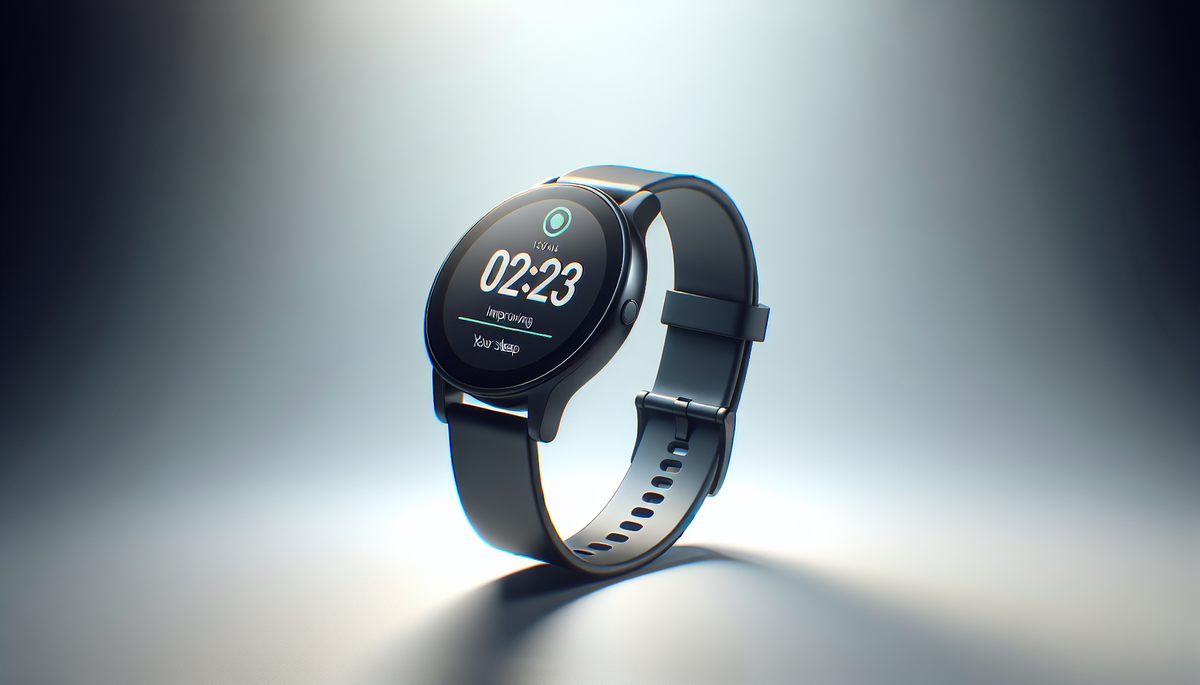
🎨 AI-generated illustration (EU AI Act 2026) — does not represent the actual appearance of the product. See the Amazon listing for official photos.
🔗 Affiliate links: Some links on this page are Amazon affiliate links. As an Amazon Associate, we earn from qualifying purchases.
Get our best picks
Every week, our Amazon comparisons directly in your inbox.
No spam. Unsubscribe in 1 click.
Introduction
You go to bed, switch everything off, and your mind still keeps running. If you want a simpler way to improve your sleep, a smartwatch can be a great place to start. It tracks your habits, gives you useful benchmarks, and helps you identify what may be disrupting your nights.
In this guide, I’ll explain how to choose the right smartwatch, how to use it day to day, and most importantly how to get real results from it. There is no need to overcomplicate things: the goal is to better understand your sleep and make small improvements over time.
- Quality of sleep tracking: look for a device that clearly distinguishes between stages such as falling asleep, light sleep, deep sleep, and wake-ups, while also providing a clear summary.
- Reliable sensors: a good smartwatch depends on consistent measurements such as heart rate, movement, and sometimes SpO2. The more stable the readings, the more useful your trends will be.
- Comfort on the wrist: if the watch is heavy, irritating, or too warm, you will wear it less. And the less you wear it, the less data you will have.
- Battery life: ideally, it should last long enough that you do not need to charge it every two days. You want full nights, not partial measurements.
- Simple app: the app should present information that is easy to understand and act on, not just a wall of numbers.
How a smartwatch can help improve sleep
A smartwatch does more than count hours in bed. It can show patterns you might not notice on your own. For example, you may realize that late caffeine, heavy evening meals, or irregular bedtimes affect your sleep quality.
By reviewing your data regularly, you can connect lifestyle choices with sleep outcomes. This makes it easier to change one habit at a time and see whether it actually helps.
How to use your smartwatch effectively
To get accurate and useful sleep data, wear the watch consistently, ideally every night. Keep the strap snug but comfortable, and make sure the sensor stays in contact with your skin.
Try to review your sleep summary in the morning rather than checking it repeatedly during the night. The goal is to learn from trends, not to stress over every short wake-up.
It also helps to combine smartwatch data with a few simple habits: keep a regular bedtime, reduce screen time before bed, and create a calm sleeping environment. The watch is a tool, but good sleep habits are what make the biggest difference.
Common mistakes to avoid
One common mistake is treating every number as absolute truth. Sleep tracking is helpful, but it is still an estimate. Focus on patterns over time instead of obsessing over one imperfect night.
Another mistake is changing too many things at once. If you improve your bedtime routine, reduce caffeine, and start exercising more all in the same week, you will not know which change helped most. Make small adjustments and observe the results.
Final thoughts
A smartwatch can be a practical and motivating tool for improving sleep, especially if you use it to build better habits rather than just collect data. Choose a comfortable device, track consistently, and pay attention to trends that matter.
With the right approach, your smartwatch can become a simple guide toward more restful nights and better mornings.
🔗 Affiliate links : Some links on this page are Amazon affiliate links. As an Amazon Associate, we earn from qualifying purchases at no extra cost to you.
🏆 Top 5 — Best montre connectée
↻ Mis à jour le 10/04/2026 · Données 2025-2026