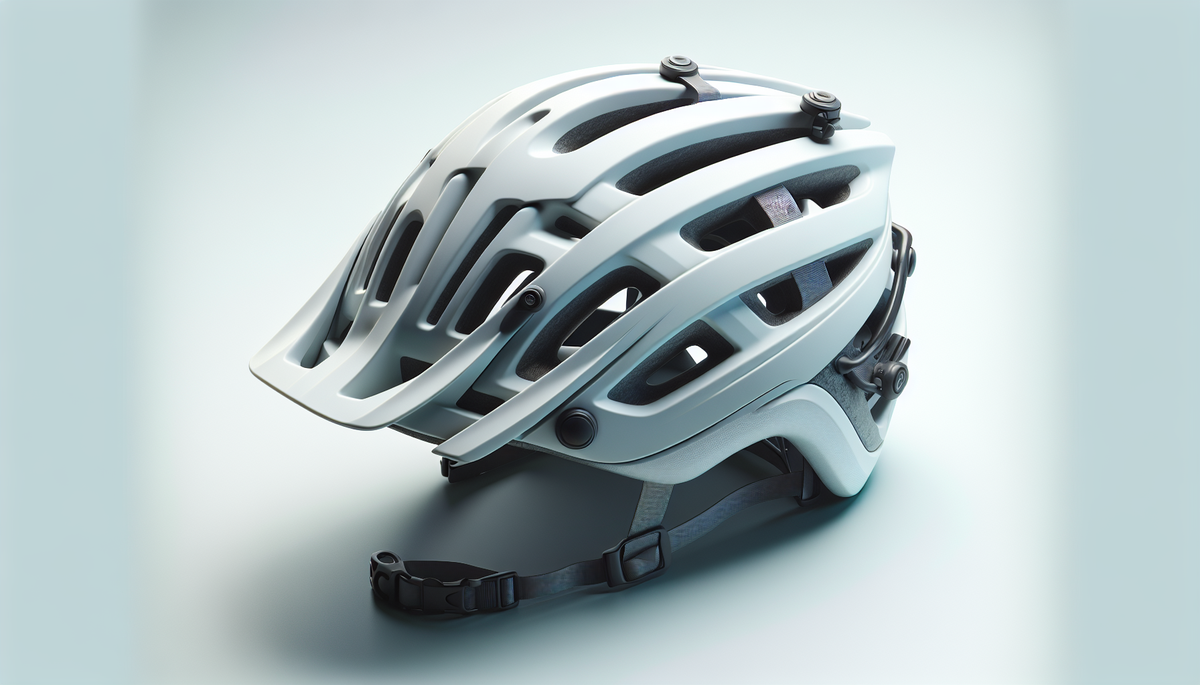
🎨 AI-generated illustration (EU AI Act 2026) — does not represent the actual appearance of the product. See the Amazon listing for official photos.
Introduction
If you’re buying a bicycle helmet, you’re probably thinking about one thing: keeping your head safe. And quite rightly. A good helmet doesn’t just “look right” or tick a box for comfort—it’s there to reduce the risk of serious injury if you come off. The tricky bit is that not all helmets are equal, and the “best” one depends on how you ride, where you ride, and what feels right on your head.
Get our best picks
Every week, our Amazon comparisons directly in your inbox.
No spam. Unsubscribe in 1 click.
This guide walks you through what to look for, why it matters, and how to get the most safety from your helmet once it’s on your head. No fuss, just practical advice in plain English—because when it comes to safety, you don’t want guesswork.
Critères de choix
- Fit is everything: A helmet should sit level on your head and cover the forehead without wobbling. If it moves when you shake your head, it’s not right. Look for a snug fit that doesn’t hurt after a few minutes.
- Correct size and adjustment system: Many helmets use a dial or ratchet system to fine-tune the fit. That’s useful because heads aren’t one-size-fits-all. Choose something that lets you adjust without needing tools.
- Retention system (the straps): The chin strap should form a secure “Y” shape under your ears. Buckles should be easy to fasten, but firm enough to stay put. Aim for a snug fit—comfortable, not loose.
- Certification and standards: In the UK and across Europe, you’ll usually see relevant safety markings on the helmet. These indicate the helmet has been tested to meet safety requirements. It’s worth checking the label rather than trusting marketing alone.
- Coverage and shape: Some helmets offer more protection at the front or around the temples. A well-designed shell can help protect key areas where impacts happen. If you’re choosing between two similar helmets, go for the one with better coverage for your riding position.
- Impact protection and construction: Most modern helmets use an outer shell plus an inner energy-absorbing layer. The overall design matters—especially how the helmet manages energy during a crash. You don’t need to be an engineer, but it helps to pick a reputable model with clear build quality.
- Ventilation and comfort: You’ll wear the helmet more often if it’s comfortable and breathable. Look for sensible ventilation channels and padding that doesn’t make your head feel like it’s in a vice after ten minutes.
- Weight (but don’t chase “featherlight” at all costs): Lighter helmets can feel nicer on longer rides. Still, the priority is proper fit and protection—weight is a bonus, not the main event.
- Style for your riding type: Road cycling, commuting, and e-bikes can be different. Some riders prefer more coverage and a visor; others want maximum airflow. Choose a helmet that matches how you actually ride.
Avantages
Let’s be honest: a bicycle helmet can’t guarantee you’ll never get injured. But it can meaningfully reduce the severity of head injuries, which is the whole point. When you get the right helmet for your head and wear it properly, you’re giving yourself a much better chance in the event of an accident.
Beyond crash protection, a good helmet also boosts confidence. That might sound a bit intangible, but it’s real. If your helmet fits well and feels comfortable, you’re less likely to leave it on the hook at home. And in everyday commuting, that habit makes a bigger difference than most people think.
Then there’s the practical side. Many helmets include breathable pads, effective ventilation, and a dial fit system that keeps things secure without constant fiddling. If you ride in the UK’s changeable weather, comfort matters—because you’ll be more willing to get on the bike when the setup doesn’t annoy you.
Finally, choosing a well-made helmet means you’re investing in something that’s likely to last. Of course, helmets aren’t “forever” in the strict sense—if you’ve had a crash, even a minor one, it’s wise to replace it. Better safe than sorry.
FAQ
Q? How tight should a bicycle helmet be?
A It should feel snug all the way around, not painfully tight. When you fasten the chin strap, the helmet shouldn’t wobble or slide. A good rule of thumb: if you can easily move it with your hands, it’s probably too loose.
Q? What’s the best way to check the fit?
A Put it on, fasten the straps, and adjust the dial until it sits level. Then try a gentle shake side-to-side and up-and-down. The helmet should stay put, cover your forehead properly, and not rock when you move your head.
Q? Do I need to replace my helmet after a crash?
A Yes, if the helmet has been involved in an impact, even if it looks fine. The internal protective materials can be compromised. If you’re unsure, it’s usually safer to replace it rather than gamble.
Conclusion
Choosing the ultimate bicycle helmet for maximum safety isn’t about chasing the flashiest design or the lightest weight. It’s about getting the fit right, checking that it meets recognised safety standards, and picking a helmet that stays comfortable so you’ll actually wear it every ride. When those pieces click together, you’re not just buying a helmet—you’re building a safer routine.
So take a moment to measure properly, adjust carefully, and wear it the way it’s meant to be worn. Your future self will thank you the next time you hop on the bike and ride with confidence.
Our picks — The Ultimate Guide: Bicycle Helmet for Maximum Safety
Giro Register MIPS
Popular MIPS-equipped road helmet with strong ventilation and a secure fit.
Specialized Align II MIPS
Comfortable everyday helmet with MIPS protection and a lightweight feel.
Bell Super Air R MIPS
Highly ventilated MIPS road helmet designed for maximum airflow.
Kask Mojito 3
Well-regarded premium helmet with excellent comfort and aerodynamic design.
Uvex Finale Pro
Affordable, well-reviewed helmet with good coverage and easy adjustment.
🔗 Affiliate links : Some links on this page are Amazon affiliate links. As an Amazon Associate, we earn from qualifying purchases at no extra cost to you.
🏆 Top 5 — Best casque vélo
↻ Mis à jour le 07/04/2026 · Données 2025-2026