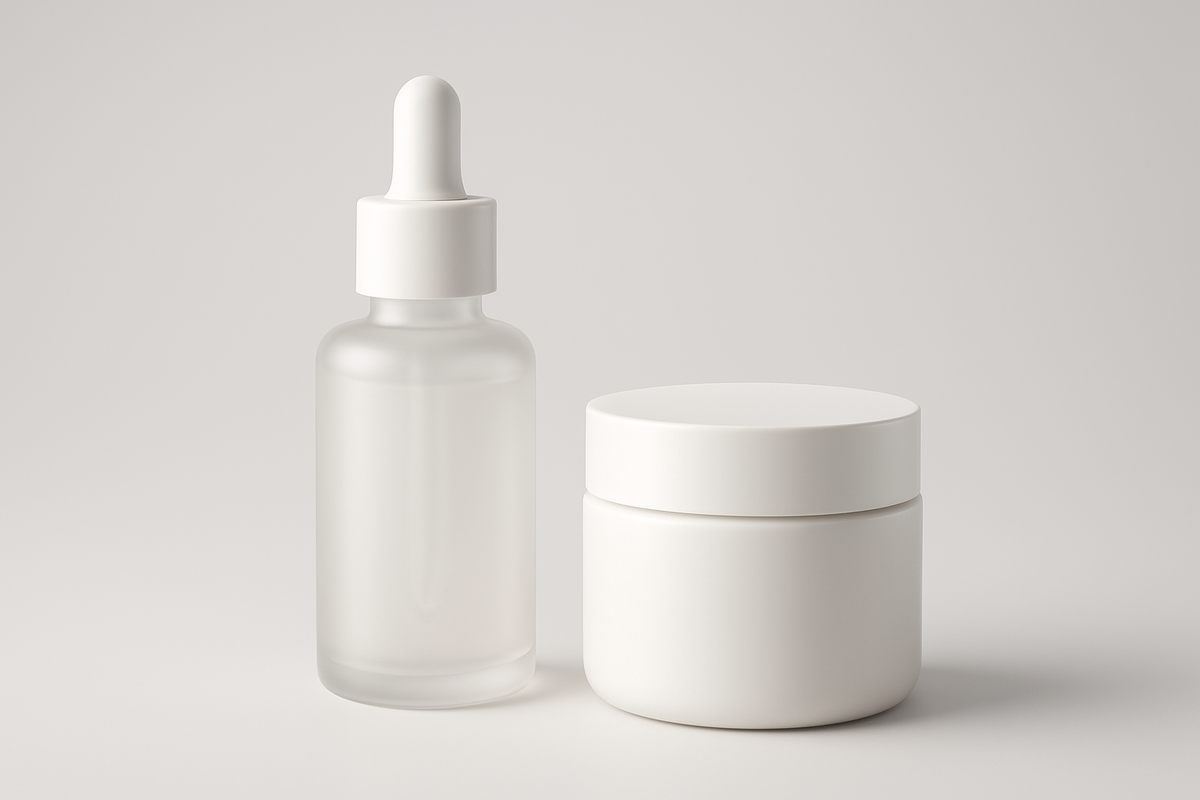
🎨 AI-generated illustration (EU AI Act 2026) — does not represent the actual appearance of the product. See the Amazon listing for official photos.
Get our best picks
Every week, our Amazon comparisons directly in your inbox.
No spam. Unsubscribe in 1 click.
📌 This article contains Amazon affiliate links. If you purchase through these links, we earn a small commission at no extra cost to you. Thank you for supporting WiseProductAdvisor!
In 2026, the biggest skincare question is not whether you should use both a serum and a moisturizer, but which one should come first in your routine and which one your skin actually needs more. Search trends around serum vs moisturizer for skincare routine 2026 show that buyers want practical answers, not marketing language. The confusion is understandable: serums are often positioned as treatment products with concentrated active ingredients, while moisturizers are designed to support the skin barrier and reduce water loss. Both matter, but they do different jobs.
If your routine feels too complicated, or if you are trying to spend money wisely, this comparison will help you decide based on skin type, goals, climate, and ingredient tolerance. In most cases, the right answer is not “one or the other forever,” but “which one should I prioritize first today?” Below, we compare the two categories clearly, explain how they work, and help you choose the best starting point for your 2026 skincare routine.
| Criteria | Serum | Moisturizer |
|---|---|---|
| Main purpose | Targets specific concerns with concentrated ingredients | Hydrates, seals in moisture, and supports the skin barrier |
| Texture | Lightweight, fast-absorbing, often watery or gel-like | Cream, lotion, gel-cream, or balm with richer emollients |
| Best for | Hyperpigmentation, acne, dullness, fine lines, sensitivity | Dryness, dehydration, barrier repair, comfort, and protection |
| When to apply | After cleansing and before moisturizer | Usually the final step before sunscreen in the morning |
| Priority in routine | Choose first if you have a specific skin concern | Choose first if your skin feels tight, flaky, or irritated |
Serum in detail
A serum is a targeted skincare product designed to deliver active ingredients in a more concentrated format than a typical moisturizer. In 2026, serums remain popular because they fit modern routines: lightweight, efficient, and easy to layer. Common serum ingredients include vitamin C, niacinamide, hyaluronic acid, retinoids, azelaic acid, peptides, and salicylic acid. These ingredients are chosen for specific jobs, such as brightening dark spots, reducing breakouts, smoothing texture, or improving the appearance of fine lines.
The main advantage of a serum is precision. If your concern is not general dryness but something more specific, a serum can be the product that changes your routine. For example, niacinamide may help regulate oil and improve uneven tone, while vitamin C is often used for dullness and antioxidant support. Hydrating serums with hyaluronic acid can also help attract water into the skin, which is useful for dehydrated complexions. Because serums are usually thinner than moisturizers, they absorb quickly and sit well under other products.
That said, a serum is not always the first product everyone needs. Many serums are active-heavy and can irritate sensitive skin if introduced too quickly. Some people also assume that a serum can replace moisturizer, but that is only true in limited cases, usually for very oily skin in humid weather. Even then, barrier support still matters. If you choose a serum first, it should be because you have a clear skin goal and are prepared to use it consistently.
For shoppers comparing options in 2026, the best way to think about a serum is as a problem-solver. It is not the base of the routine; it is the targeted step that addresses a concern after cleansing and before sealing everything in. If you are exploring ingredient-led skincare, you may want to browse real product categories from established brands such as The Ordinary, La Roche-Posay, and CeraVe on Amazon UK:
- The Ordinary Niacinamide 10% + Zinc 1%
- La Roche-Posay Pure Vitamin C10 Serum
- CeraVe Hydrating Hyaluronic Acid Serum
In short, a serum is best when you already know what you want to improve and want a targeted formula to get there.
Moisturizer in detail
A moisturizer is the foundational skincare product that helps keep water in the skin and supports the barrier that protects against dryness, irritation, and environmental stress. In a 2026 skincare routine, moisturizer remains essential because even the best active ingredients can underperform if the skin barrier is compromised. Moisturizers typically combine humectants, emollients, and occlusives. Humectants like glycerin and hyaluronic acid attract water. Emollients soften and smooth the skin. Occlusives help reduce water loss by forming a protective layer.
This makes moisturizer especially important for dry, sensitive, or reactive skin. It is also valuable for people using strong actives such as retinoids or exfoliating acids, because those ingredients can increase dryness or irritation. A well-formulated moisturizer can make a routine more tolerable and more consistent. That consistency matters more than chasing every new trend. In many cases, if your skin feels tight after cleansing or looks flaky by midday, moisturizer should be your first purchase before any serum.
Moisturizers also come in formats for different skin types. Gel moisturizers tend to suit oily or combination skin because they hydrate without feeling heavy. Creams are often better for normal to dry skin. Richer balms can help very dry or compromised skin, especially in colder climates. In 2026, the market is full of fragrance-free, barrier-focused options, which is good news for people who want simple, effective formulas rather than complicated routines.
Unlike serums, moisturizers are not usually designed to solve one narrow concern. Their strength is breadth: they support comfort, hydration, and resilience. That makes them the smarter first step for many beginners. If you are unsure where to start, moisturizer is often the safest and most universally useful category. Popular real brands to consider include CeraVe, Neutrogena, and La Roche-Posay:
- CeraVe Moisturising Cream
- Neutrogena Hydro Boost Gel Cream
- La Roche-Posay Toleriane Sensitive Moisturiser
If your skin’s main issue is dryness, irritation, or barrier weakness, moisturizer is usually the product to prioritize first.
Which option should you choose?
The right choice depends on your skin’s current needs, not on which category sounds more advanced. In the serum vs moisturizer for skincare routine 2026 debate, the best decision starts with one question: what is your skin asking for right now? If the answer is “I need help with a specific concern,” a serum is likely the better first addition. If the answer is “my skin feels uncomfortable, dry, or easily irritated,” a moisturizer should come first.
Choose a serum first if:
- You want to target acne, dark spots, dullness, or fine lines.
- Your skin already tolerates skincare well.
- You prefer lightweight layers and a minimal feel.
- You are willing to introduce actives slowly and monitor reactions.
Choose a moisturizer first if:
- Your skin feels tight after cleansing.
- You notice flaking, roughness, or stinging.
- You use retinoids, acids, or other drying treatments.
- You want the most universally useful product for daily comfort.
Skin type matters, but so does climate. In dry or cold weather, moisturizer often becomes the priority even for oily skin, because dehydration can coexist with excess oil. In humid weather, a lighter serum plus sunscreen may feel enough in the morning, but most people still need some form of moisturizer at night. Age is less important than condition: mature skin may benefit from both, but the first purchase should still depend on whether the barrier is dry or the concern is more treatment-based.
Ingredient tolerance is another deciding factor. If you have sensitive skin, starting with a gentle moisturizer is usually the safer route. Once your skin is stable, you can add a serum with one active at a time. If you already have a solid moisturizer and want to upgrade your routine, then a serum is the logical next step. That approach is often more effective than buying multiple products at once.
For most people in 2026, the practical order is simple: cleanse, apply serum if needed, then moisturize, then sunscreen in the morning. But if you are only choosing one product to begin with, let your skin barrier guide you. Dry, irritated, or reactive skin usually needs moisturizer first. Concern-driven, resilient skin often benefits from a serum first.
Verdict
The simplest answer is this: if your skin needs comfort and protection, start with a moisturizer; if it needs targeted treatment, start with a serum. For many routines, both belong together, but they do not serve the same function. In 2026, the smartest skincare routine is the one that matches your skin’s real condition, not the one with the most steps. For more practical product comparisons and buying guidance, visit wiseproductadvisor.com.
Can I use serum and moisturizer together?
Yes. In most routines, serum goes on first after cleansing, followed by moisturizer to seal in hydration and support the skin barrier. This layering order helps the serum’s active ingredients work while the moisturizer reduces water loss and improves comfort. If your skin is sensitive, start with one serum and a gentle moisturizer to avoid irritation.
Which is better for oily skin in 2026?
Oily skin often benefits from both, but if you must choose one first, a lightweight serum may be more useful if you have acne, visible pores, or uneven tone. However, many oily-skin users still need a gel moisturizer to prevent dehydration and rebound oiliness. The best choice depends on whether your skin is oily, dehydrated, or both.
Do I really need moisturizer if my serum is hydrating?
Usually, yes. Hydrating serums can add water-binding ingredients to the skin, but they do not always provide enough barrier support or reduce moisture loss on their own. A moisturizer helps lock in that hydration and makes the routine more stable. In dry or changing weather, skipping moisturizer can leave skin feeling tight or unprotected.
What should beginners buy first?
Beginners should usually start with a moisturizer, especially if they do not yet know their skin type or tolerance level. A simple, fragrance-free moisturizer is broadly useful and easier to introduce than an active serum. Once your skin is comfortable and consistent, you can add a serum based on a specific concern such as acne, pigmentation, or dullness.
📌 This article contains Amazon affiliate links. If you purchase through these links, we earn a small commission at no extra cost to you. Thank you for supporting WiseProductAdvisor!
🔗 Affiliate links : Some links on this page are Amazon affiliate links. As an Amazon Associate, we earn from qualifying purchases at no extra cost to you.
🏆 Top 5 — Best skincare products
↻ Mis à jour le 15/04/2026 · Données 2025-2026