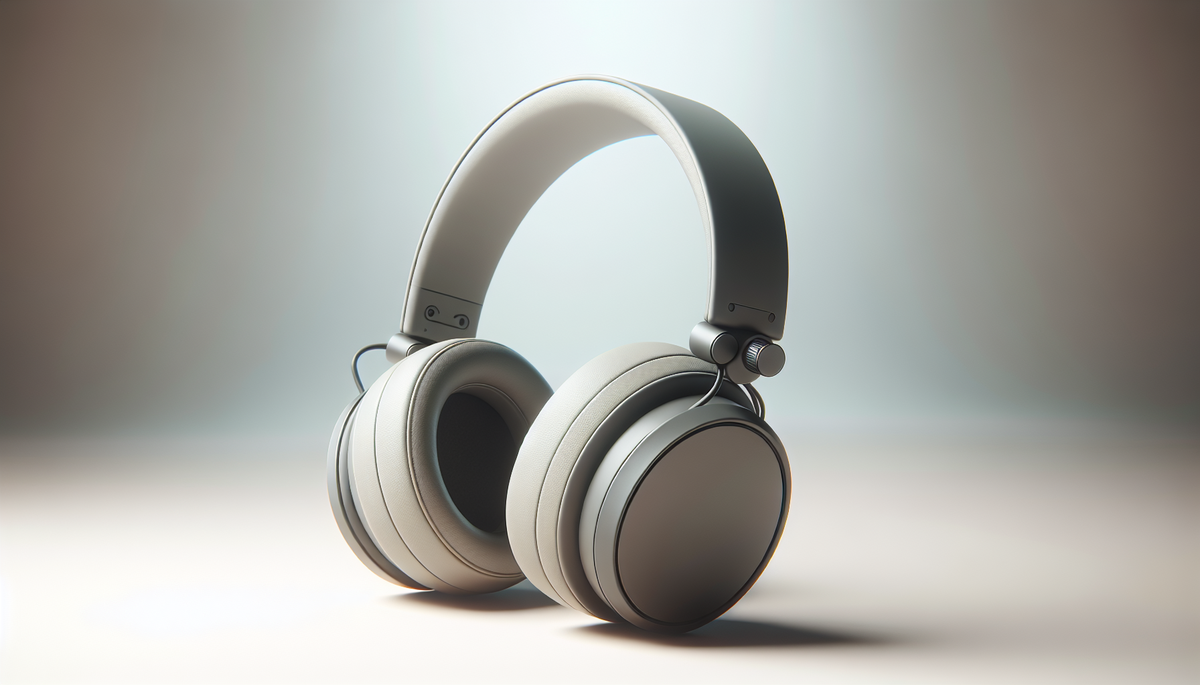
🎨 AI-generated illustration (EU AI Act 2026) — does not represent the actual appearance of the product. See the Amazon listing for official photos.
🔗 Affiliate links: Some links are Amazon affiliate links. As an Amazon Associate, we earn commission from qualifying purchases, at no extra cost to you.
Get our best picks
Every week, our Amazon comparisons directly in your inbox.
No spam. Unsubscribe in 1 click.
Introduction
Listening to music with Bluetooth headphones has become second nature for many of us. No more tangled cables, more freedom of movement, and often very decent, even impressive, audio quality. But between “entry-level” models and more premium headphones, there are still important differences: battery life, comfort, sound quality, microphone quality for calls… In short, choosing a good Bluetooth headset is well worth taking a couple of minutes to get clear on.
In this guide, I’ll give you a simple, practical method for finding the headphones that really suit you, whether it’s for the Tube, working from home, walks, or simply immersing yourself in your favourite playlists.
Selection criteria
- Comfort (and fit): a headset can be excellent on paper, but if it feels heavy or poorly adjusted, you’ll end up abandoning it. Check the ear cup size, the headband, and the stated weight. If you can, prioritise pleasant padding and well-distributed pressure.
- Battery life: look at the stated duration and, above all, what it delivers in real-world use. If you listen a lot, aiming for at least a full day’s use is a real plus. Also think about charging time and whether there is a “fast charge” mode.
- Audio quality: the spec sheet does not tell the whole story, but some details matter. Look for good bass reproduction without muddiness, clear mids, and treble that is not too harsh. If you like a particular style (rap, rock, electronic, classical), that can help guide your choice.
- Noise reduction (if you need it): for public transport, this is often the most “wow” option. Active noise cancellation helps reduce engine noise, distant voices and general hubbub. If you prefer to stay aware of your surroundings, check whether there is a transparency mode.
- Microphone and calls: if you do video meetings or lots of calls, the microphone matters just as much as the sound. A good headset should reduce ambient noise and keep your voice intelligible. User reviews on this point are very useful.
- Latency (important for video): if you watch series or play games on your phone, too much latency can be annoying (sound that is slightly delayed). Some headsets are better than others. Customer feedback can help guide you.
- Bluetooth compatibility and stability: check compatibility with your phone and tablet. And above all, see whether the headset stays stable when you move from one room to another. A connection that keeps dropping is quickly frustrating.
- Controls and ergonomics: physical buttons or touch controls? Both have their fans. The important thing is that you can change tracks, adjust the volume and manage calls easily, without faffing about.
- Case and protection (for earbuds): for Bluetooth earbuds, the charging case is essential. It should be practical, pocket-friendly, and provide proper protection.
Benefits
The first advantage is obviously freedom. You can move around, walk, do light exercise, and keep your headset on without wrestling with a cable. Then there is the simplicity: you switch it on, connect it, and off you go.
Modern Bluetooth headsets have also improved a great deal in terms of sound. Even if not everything is perfect, you can find models that deliver cleaner bass, clearer voices and more pleasant detail. And if you choose a model with noise cancellation, the experience really changes: the world around you becomes less present, and the music takes centre stage.
Finally, there is the everyday-use aspect. For working from home, calls and video meetings, a headset with a decent microphone can make a real difference. You speak more clearly, and your contacts can hear you better, even when there is noise in your home.
FAQ
Q? Is audio quality really good over Bluetooth?
Yes, often. Many current Bluetooth headsets offer very enjoyable sound for everyday use. The quality depends on the model, how the headset is tuned and your preferences (bass, vocal clarity, etc.). If you are demanding, read reviews about the overall sound rather than just the numbers.
Q? Is noise cancellation worth it?
It depends on your environment. If you often use public transport, work in a noisy place or simply want to concentrate, it is generally an excellent investment. On the other hand, if you mostly listen at home in peace and quiet, you can make do with a headset without noise cancellation and save a fair bit of money.
Q? Is the microphone reliable for calls?
It varies enormously from one model to another. Some headsets are very decent for calls, while others disappoint in noisy environments. The best thing is to check customer feedback on voice quality and background noise reduction. And if possible, test it shortly after purchase.
Conclusion
Choosing a Bluetooth headset is not just about “buying the cheapest” or “buying the most expensive”. The right choice is the one that matches your use: transport or home, calls or relaxed music listening, long sessions or short ones. By looking at comfort, battery life, audio quality, and the microphone if you need it, you can really end up with a headset that fits into your daily life without feeling like a permanent compromise.
If you want, tell me your budget, your main use (music, calls, transport, sport) and whether you prefer earbuds or over-ear headphones: I can guide you towards the features to prioritise.