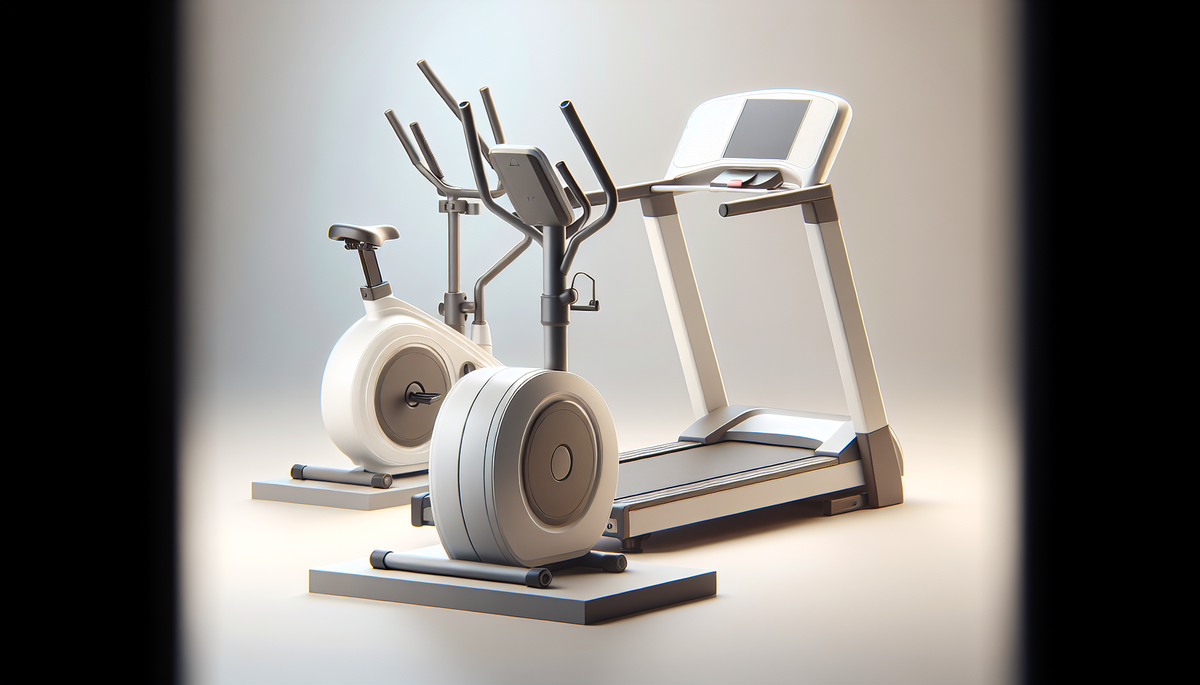
🎨 AI-generated illustration (EU AI Act 2026) — does not represent the actual appearance of the product. See the Amazon listing for official photos.
🔗 Affiliate links : Some links on this page are Amazon affiliate links. As an Amazon Associate, we earn from qualifying purchases.
Get our best picks
Every week, our Amazon comparisons directly in your inbox.
No spam. Unsubscribe in 1 click.
Introduction
So you’re thinking about adding some cardio to your routine, but you’re stuck on the classic question: exercise bike or treadmill? Honestly, both can be brilliant—just in slightly different ways. A treadmill tends to mimic outdoor walking or running, while an exercise bike is more joint-friendly and often easier to fit into everyday life.
The “right” choice usually comes down to how you want to train, what your body can handle, and how much space (and noise) you’ve got at home. Let’s walk through it together, in plain terms, so you can pick the equipment that’s most likely to get used.
Critères de choix
- Your fitness goal: Want to improve stamina for running or brisk walking? A treadmill is hard to beat. Looking for general cardio, fat loss, or low-impact conditioning? An exercise bike is a great shout.
- Impact on joints: If your knees, hips, or lower back don’t love impact, a bike usually feels kinder. Treadmills can be fine too, especially with cushioning and proper footwear, but the repeated pounding is real.
- Comfort and form: On a treadmill you’re upright and moving continuously, which can be great for posture and calorie burn. On a bike you can adjust seat position and resistance, and you’ll often find it easier to maintain a steady rhythm.
- Space and storage: Bikes are typically more compact and easier to tuck away. Treadmills need a bit more room, and they’re often heavier.
- Noise and neighbours: Most exercise bikes are quieter, especially magnetic or frictionless models. Treadmills can be louder due to the motor and belt movement, and running makes it even more noticeable.
- Budget: You can get a solid beginner bike or treadmill without spending a fortune, but treadmills often cost more for the same “feel” and durability. Still, there are good deals if you’re patient.
- Ease of use: A bike is usually straightforward—sit, pedal, adjust resistance. Treadmills involve speed and incline settings, and you may want to practise a comfortable walking pace before you push it.
- Motivation and enjoyment: This matters more than people think. If you’ll actually use it, it’s the best one. If you find cycling relaxing, go with a bike. If walking/running outdoors is your thing, a treadmill will feel more natural.
- Training variety: Bikes offer resistance levels and often programme modes. Treadmills give you incline and speed changes, which can simulate hills and boost intensity.
Avantages
Exercise bike advantages are pretty clear. First, it’s low-impact, which makes it ideal if you’re returning to fitness, dealing with joint discomfort, or just want a workout that doesn’t feel like punishment. You can also control intensity smoothly—turn up the resistance and keep your cadence steady, or go for intervals by alternating harder and easier efforts.
Another big plus: many people find bikes easier to use consistently. You can scroll, watch something, or do a relaxed session without worrying about foot strike or balance. Plus, they tend to be compact, so they’re easier to live with in a typical UK home.
Treadmill advantages come down to realism and versatility. If your goal is to walk more, improve your running, or build cardiovascular fitness in a way that mirrors outdoor movement, the treadmill is a strong choice. Incline settings are especially useful—walking uphill can be surprisingly effective and often easier than running.
And let’s be honest: there’s something motivating about seeing the speed and time on a display, then gradually increasing your pace. If you enjoy structured sessions—like set intervals, tempo work, or steady-state walks—a treadmill can fit that style really well.
In short: choose a bike if you want comfort, low impact, and consistency. Choose a treadmill if you want movement that feels closest to walking or running and you’re happy with a bit more space.
FAQ
Q? Which is better for fat loss?
Both can help with fat loss, because what matters most is working hard enough and staying consistent. A treadmill often makes it easier to rack up calories quickly, especially with incline. A bike can still burn plenty, and it’s often easier to sustain longer sessions without joint discomfort.
Q? Is an exercise bike easier on the knees?
Usually, yes. Cycling is generally lower impact than walking or running, so many people find it more comfortable for knees and hips. That said, seat height and resistance matter—if the seat’s too low or too high, you can end up straining instead of training.
Q? Can I get a good workout from a treadmill without running?
Absolutely. Walking is a legit cardio workout. Use incline, keep a brisk pace, and focus on steady effort or intervals. For many people, a challenging incline walk can be just as effective as running, and it’s often kinder to the body.
Conclusion
If you’re still deciding, here’s a simple way to think about it. Pick an exercise bike if you want something compact, quieter, and easier on the joints—especially if you’re starting out or you prefer a steady, controlled workout. Go for a treadmill if you want the closest experience to outdoor walking or running, with the bonus of incline for extra intensity.
Ultimately, the best equipment is the one you’ll use. Choose the option that matches your body, your routine, and what you actually enjoy doing—then you’ll be well on your way to feeling the benefits.