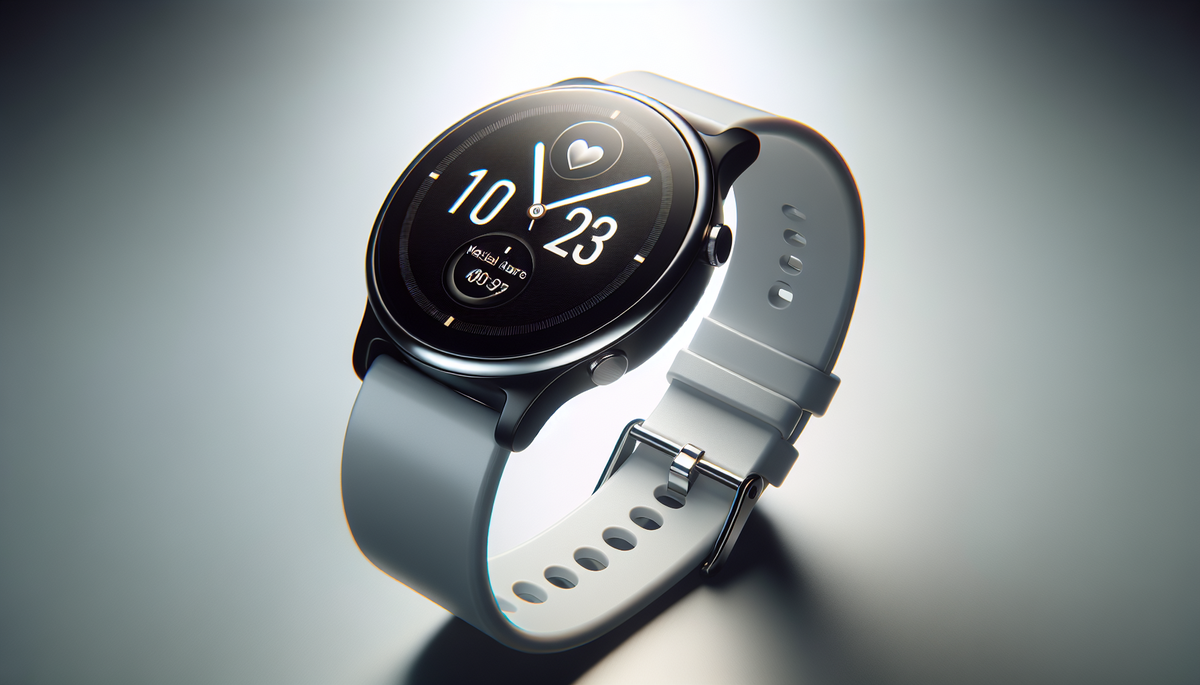
🎨 AI-generated illustration (EU AI Act 2026) — does not represent the actual appearance of the product. See the Amazon listing for official photos.
Get our best picks
Every week, our Amazon comparisons directly in your inbox.
No spam. Unsubscribe in 1 click.
Introduction
You may already have noticed how easy it is to feel “out of sync” with your own body: you move, you sleep, you eat… but you don’t always know what’s really going on. That’s where the smartwatch becomes interesting. Not because it works miracles, no. Rather because it helps you better understand your habits and act more intelligently.
Between activity tracking, sleep quality, heart rate measurement, and alerts that remind you to move, a smartwatch can become a little everyday coach. It doesn’t replace a healthcare professional, of course. But it can give you useful signals and help you make better decisions, day after day.
Selection Criteria
- Sensor reliability: pay particular attention to heart rate measurement and sleep tracking. The data should be consistent with how you feel.
- Battery life: nobody wants to charge every day. Depending on your use, aim for comfortable battery life.
- Wrist comfort: a watch that is too heavy, too stiff, or heats up quickly is easy to forget about. Make sure the strap suits you.
- Ease of use: a clear interface and simple settings are a real plus. You want to use it, not “decode” it.
- Sports and activities tracked: walking, running, cycling, swimming, strength training… Some watches are better depending on your habits.
- Notifications and reminders: movement alerts, hydration, calendar, calls… Choose based on what actually helps you.
- Compatibility with your phone: check the supported systems and the quality of the associated app.
- Data privacy: this matters. A watch should let you understand and manage what you share.
Benefits
A smartwatch can improve your health in several ways, often more subtly than you might imagine. It acts like a mirror: it reflects your routines and helps you spot what’s working… or what could use some adjustment.
1) You move more (and better)
Many models offer activity tracking throughout the day: step count, active minutes, estimated calories, and sometimes even an activity “score.” Simply seeing your trends often motivates you to make a little extra effort. And most importantly, to avoid staying still for too long.
2) You understand your sleep
Sleep is the body’s fuel. A smartwatch can analyse sleep duration, sleep stages, and wake periods. It’s not always perfect, but it gives you a starting point for spotting habits: going to bed too late, fragmented sleep, nights that are too short… Then you can test concrete changes, like a more regular bedtime.
3) You monitor your heart rate
Heart rate is valuable data. During the day, it can help estimate the effort you’re putting into your activities. At night, some measurements can also provide clues about recovery. In practice, you learn to better sense your body: when you’re feeling good, when you’re not recovering as well, or when your stress seems more present.
4) You spot stress
Some watches offer indicators related to heart rate variability or recovery parameters. The idea is not to “diagnose” anything. It’s more about helping you identify periods when you’re more tense, so you can adopt routines that help you calm down: breathing exercises, a gentle walk, stretching, or simply a slower pace.
5) You set realistic goals
A smartwatch turns your intentions into goals. For example: reaching a certain number of steps, improving sleep duration, or gradually increasing your activity time. And the best part is that you can adjust without judging yourself. If a week is difficult, you can see why and get back on track.
6) You track your progress
Whether you’re trying to get back into exercise, run more regularly, or better manage your day-to-day life, the data lets you visualise improvements. You’re no longer going in blind. You compare, you understand, and you move forward.
Finally, it should be said clearly: a smartwatch does not replace medical advice. But it can become an excellent tool for prevention and independence. And that is already huge.
FAQ
Q? Can a smartwatch replace a doctor?
No. It helps track indicators and spot trends, but if you have any doubts or symptoms, nothing beats medical advice.
Q? Are sleep measurements reliable?
They often provide a good estimate of habits and trends. Accuracy can vary depending on body type, strap comfort, and how the watch detects movement.
Q? Does it really motivate you to move?
Yes, in many cases. Reminders and goals make activity more concrete. And when you see your progress, you want to keep going.
Conclusion
In short, a smartwatch can really help improve your health, provided you use it wisely. It helps you better understand your activity, spot signals about your sleep, and track your heart rate every day. And most importantly, it gives you a clear framework to make progress without unnecessary pressure.
If you’re looking for a simple way to take care of yourself while staying realistic, it’s an excellent starting point. Choose a comfortable watch with sensors you can understand, and use the data as a guide. Your body will thank you quickly.