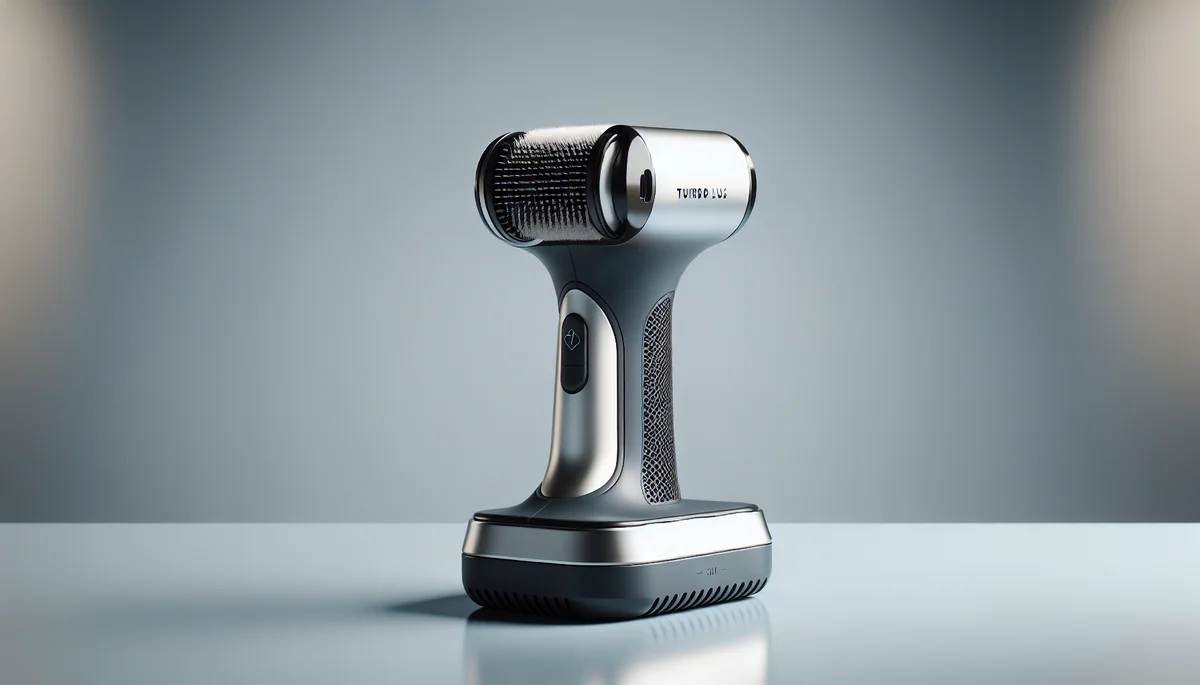
🎨 AI-generated illustration (EU AI Act 2026) — does not represent the actual appearance of the product. See the Amazon listing for official photos.
🔗 Affiliate links : Some links on this page are Amazon affiliate links. As an Amazon Associate, we earn from qualifying purchases.
Get our best picks
Every week, our Amazon comparisons directly in your inbox.
No spam. Unsubscribe in 1 click.
Introduction
If you’ve ever found a favourite jumper turned into a fuzzy cat-scarf, you’ll know the frustration. Cat hair clings to fabric like it has a personal grudge—especially on wool, fleece, dark colours, and anything that’s slightly textured. The good news? You don’t need industrial tools or endless re-washing. With the right approach (and a bit of patience), you can remove cat hair from clothing more effectively, keep fibres looking better, and reduce that “why is it still there?” moment.
This guide walks you through practical methods you can do at home, what to look for when choosing tools, and how to avoid making the problem worse.
Critères de choix
- Fabric-friendly design: Look for lint removers and brushes that won’t snag delicate knits. If it’s for wool or cashmere, opt for gentle rollers or soft bristles.
- Hair type compatibility: Some tools are better for short, loose fur (like a roller) while others handle longer clingy hair (like a rubber brush or damp-glove method).
- Ease of use: A tool that feels comfortable in your hand matters. If it’s fiddly, you’ll avoid using it—then hair wins.
- Refill or reusability: Sticky rollers can be convenient, but they add up. Reusable options (washable brush heads, reusable lint tools) can be more cost-effective.
- Mess control: Some methods spread hair around if you’re not careful. Choose tools that collect hair cleanly rather than just pushing it about.
- Works on different colours: If you wear a lot of black or navy, you’ll want something that lifts hair without leaving lint residue behind.
Avantages
Getting cat hair off clothing properly isn’t just about looks—there are real, practical benefits. For one, you’ll feel more comfortable. Hair can trap heat and make fabrics feel rough. Removing it also helps your clothes last longer, because repeated “hair-covered” washing can wear fibres down over time.
Another upside is that you’ll spend less time doing laundry. If you pre-treat hair before washing, you often need fewer cycles and less detergent. Plus, you’ll reduce the amount of fur that ends up in your washing machine, which can otherwise lead to hair transfer onto other loads.
And yes, it’s satisfying. There’s something genuinely calming about pulling a lint roller and seeing the evidence disappear in one go.
FAQ
Q? What’s the best way to remove cat hair from clothes before washing?
Roughly speaking, start with a lint roller or a rubber pet-hair brush. Roll or brush in one direction, then repeat with short, overlapping passes. If the hair is stubborn, lightly mist the garment with water (not soaking) and try again—slight dampness helps the fur clump and lift.
Q? Do lint rollers work on all fabrics?
They work well on most everyday fabrics like cotton, polyester, and knitwear, but you should be a bit careful with very delicate or loosely woven items. For delicate textures, use gentle pressure and consider a softer roller or a brush designed for sensitive fabrics. Always test on an inside seam first.
Q? Can I use a tumble dryer to get rid of cat hair?
It can help, but only if you’re careful. A short tumble on low heat can loosen hair, especially when paired with a dryer sheet or a clean dryer ball. However, avoid high heat, and always clean the lint filter afterwards—otherwise you’ll end up recycling fur back onto your clothes.
Conclusion
Removing cat hair from clothing doesn’t have to be a daily battle. The key is choosing the right tools for your fabric, tackling hair before it’s ground into the fibres, and using methods that lift and collect rather than spread. Start with a lint roller or rubber brush, then move to damp-glove or fabric-friendly brushing for the stubborn bits. If you wash, consider pre-treating and use the right settings so hair doesn’t become a recurring guest.
Once you’ve found your go-to routine, it gets easier fast. And your clothes? They’ll look—and feel—like themselves again.