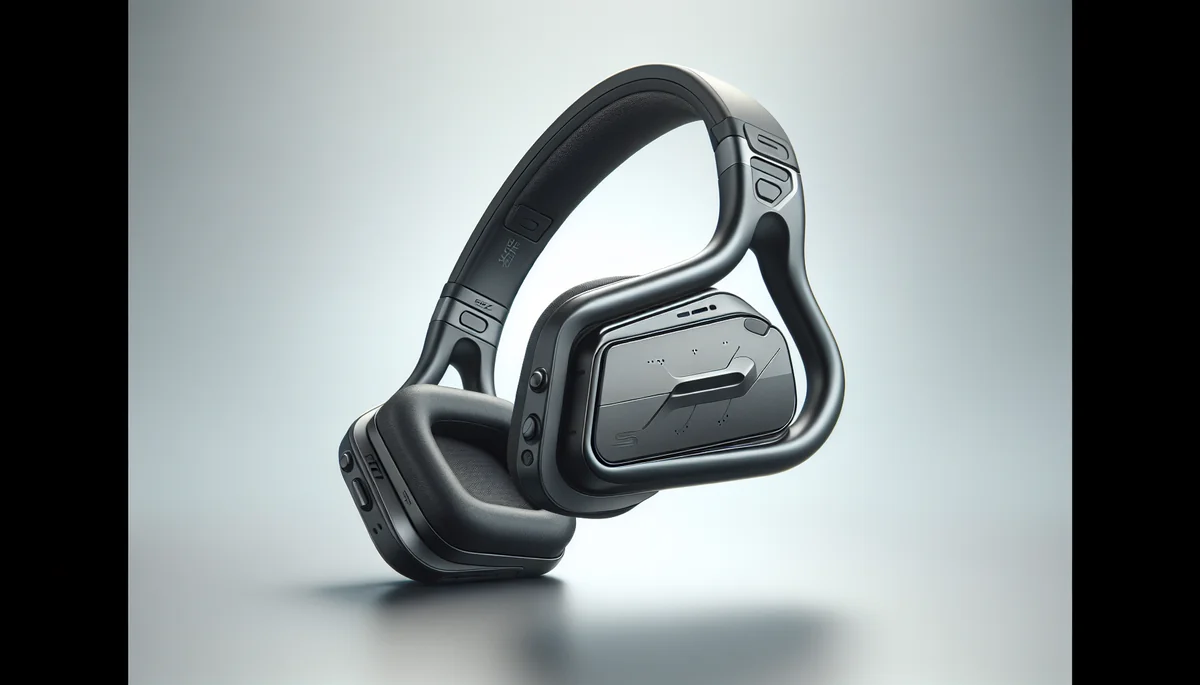
🎨 AI-generated illustration (EU AI Act 2026) — does not represent the actual appearance of the product. See the Amazon listing for official photos.
Get our best picks
Every week, our Amazon comparisons directly in your inbox.
No spam. Unsubscribe in 1 click.
🔗 Affiliate links: Some links are Amazon affiliate links. As an Amazon Associate, we earn commission from qualifying purchases.
Introduction
Running is already a great way to clear your head. And when you add music, the pace often comes naturally. But here’s the thing: between a Bluetooth headset and a wired model, which one should you choose for running? Good news: there isn’t just one perfect answer for everyone. It all depends on how you run, what feels comfortable, and what kind of everyday experience you want.

In this article, we’ll compare the two options in a straightforward way. The goal: help you choose the best headset for your runs, whether it’s a short easy loop or a more intense session.
Criteria for choosing
- Comfort and fit: for running, a headset has to stay in place. Models with properly sized tips (or a sport-oriented shape) and a secure fit in the ear really make a difference.
- Stability during exercise: if you move your head a lot, a headset that slips at the slightest change in pace quickly becomes annoying. It’s better to choose a design made for sport.
- Sweat resistance: sweat is unavoidable. Check the level of protection against water and perspiration. A good running headset should survive your workouts.
- Battery life (for Bluetooth): if you do long runs, battery life becomes a key factor. Nothing is worse than running out of battery halfway through your route.
- Latency (for Bluetooth): if you like running to very rhythmic tracks or if you follow videos/instructions, too much latency can be bothersome. In practice, it varies by model.
- Sound quality: overly strong bass, harsh highs, muffled sound… these are all things that can become tiring over time. The best choice is the one that sounds “right” to you.
- Cable management (for wired): a cable can snag, move around, or pull if you carry your audio source on a belt, in a pocket, or on an armband. If you don’t like feeling the cable, Bluetooth will be more comfortable.
- Compatibility with your gear: phone, player, watch, armband… make sure the headset fits the way you run.
Advantages
So, concretely, what does each type bring to the table? Let’s keep it simple.
Bluetooth headset for running: this is the freest choice. No cable dangling around, fewer snags, and a more “sporty” feel. You can put your phone in a pocket, on an armband, or leave it a bit farther away, and focus on your pace. Many models also offer handy controls (pause, next track, volume) directly on the headset, so you don’t have to take out your phone.
Another nice point: newer models are often more stable than they used to be. That said, you may have to accept a small trade-off in latency or battery life, depending on how you use it.
Wired headset for running: this is often the most “simple and reliable” solution. No battery to recharge, instant connection, and generally very low latency. If you like music without overthinking it, wired can be reassuring. And on quality models, the sound can be very clean, with consistent listening.
The downside is the cable. Depending on your posture, how you run, and where you store your phone, the cable can become an annoying little detail. Some people prefer a shorter cable, while others use a support system (clips, armband) to reduce rubbing.
My quick advice
🔗 Affiliate links : Some links on this page are Amazon affiliate links. As an Amazon Associate, we earn from qualifying purchases at no extra cost to you.