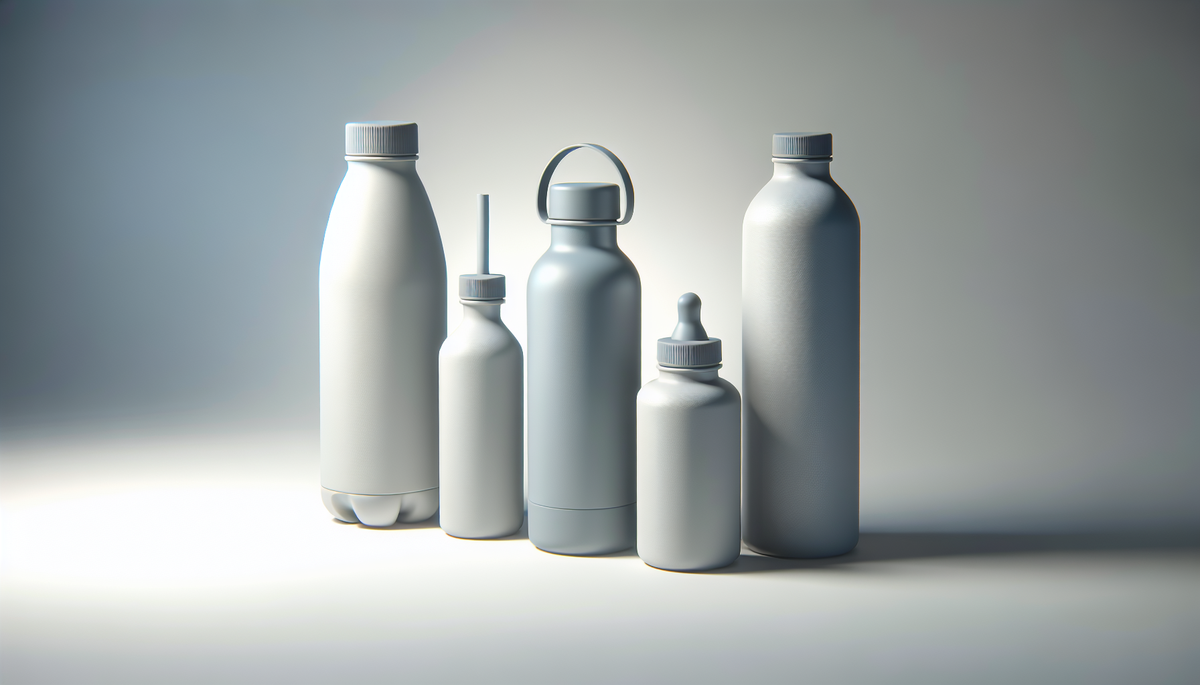
🎨 AI-generated illustration (EU AI Act 2026) — does not represent the actual appearance of the product. See the Amazon listing for official photos.
🔗 Affiliate links : Some links on this page are Amazon affiliate links. As an Amazon Associate, we earn from qualifying purchases.
Get our best picks
Every week, our Amazon comparisons directly in your inbox.
No spam. Unsubscribe in 1 click.
Introduction
You may be fed up with bottles that end up at the back of a cupboard… and then in the bin. Good news: reusable bottles are a simple, practical and genuinely more eco-friendly solution for everyday life. Whether you want to cut down on waste, keep your drink at the right temperature, or simply drink more regularly, a good bottle can change your routine within days.
In this guide, I’ll help you get a clear picture: what to look for before buying, what concrete benefits to expect, and how to choose the model that really suits you. Promise, no unnecessary waffle.
Criteria for choosing
- Material: Stainless steel, glass or BPA-free plastic? Stainless steel is very robust and doesn’t heat up much (depending on the model). Glass is pleasant and neutral in taste, but more fragile. Reusable plastic is lightweight and handy for a bag, but you need to check the quality and the absence of unwanted substances.
- Thermal insulation: Do you want cold water to stay cold for longer, or a hot drink to remain hot? Insulated bottles often make all the difference, especially in summer or winter. If you carry drinks for several hours, this is a key criterion.
- Capacity: 400–600 ml for light daily use, 700–1000 ml if you move around a lot or sometimes forget to refill. The idea is to avoid being too heavy… or running dry too quickly.
- Type of cap: Is a screw cap better, a click model, or a wider opening? For everyday use, a cap that seals well and doesn’t leak is essential. For cleaning, a practical opening helps a lot.
- Ease of cleaning: A bottle with a wide neck is easy to rinse. And if you plan to put in drinks that are a bit “sticky” (tea, infusion, flavoured drink), think about a cleaning brush and dishwasher compatibility (if mentioned).
- Taste and odours: Some materials retain smells more than others. If you alternate between water, tea and infusions, choose a material known to stay neutral, and rinse it quickly after use.
- Leakproofness: Think about how you’ll use it: backpack, car, bike… If the bottle has to travel, look for reliable anti-leak systems.
- Grip: A bottle that is too slippery or too bulky quickly becomes annoying. Weight, shape and the presence of a non-slip coating can make all the difference.
Benefits
Switching to a reusable bottle is not just about “doing your bit”. It’s above all about gaining comfort and building simpler habits. Here are the most concrete benefits:
Less waste, more peace of mind. Every reusable bottle replaces repeated purchases of disposable containers. Over the long term, that has a real impact, especially if you drink often.
Better control of temperature. An insulated bottle keeps water cold for longer and reduces heat loss for hot drinks. The result: you drink whenever you want, without compromise.
More consistent taste. With a good material and regular cleaning, you keep your drink pleasant. No more “odd” taste that can happen with some containers.
A better drinking routine. Having your bottle to hand helps you drink more. It’s simple, but it works: the easier it is to access, the more likely you are to stay hydrated.
A practical everyday accessory. Whether for work, school, the gym or days out, the reusable bottle fits in. And when it’s well designed, you forget about it… until you realise just how convenient it is.
Finally, there’s a nice bonus: you can tailor your bottle to your needs (size, colour, insulated or not, type of opening). You’re not just buying a bottle. You’re choosing a small everyday companion.
FAQ
What is the best material for a reusable bottle?
It depends on how you use it. Stainless steel is very durable and often excellent for insulation. Glass is great for taste, but more fragile. Good-quality plastic (BPA-free) is lightweight and practical, especially if you want a bottle that’s easy to carry.
Do reusable bottles really keep drinks cold or hot?
Yes, especially if the bottle is insulated and well designed. The duration varies depending on the model and the starting temperature, but in real life, you’ll notice a clear difference compared with a “basic” bottle.
How can you avoid lingering smells or taste?
Rinse it quickly after use, especially if you put in tea or infusions. Clean it regularly with warm water and a mild product, and let the bottle dry thoroughly (ideally with the neck open). A suitable brush helps a lot with hard-to-reach areas.
Conclusion
Ultimately, choosing a reusable bottle means choosing a simpler and more responsible routine. By looking at a few key points (material, insulation, capacity, cap and cleaning), you can easily find a model that goes everywhere with you: to the office, out and about, to the gym or on trips.
If you’re unsure, start with your main use: do you mainly want to drink at the ideal temperature, or are you looking first and foremost for a bottle that’s light and easy to carry? Once that’s settled, the rest becomes much clearer. And you’ll see: after a few days, you won’t want to go back.